Is Thames Clipper the same as Uber Boat?
Same company, same boats, different name on the hull. The full naming history from 1999, what every boat on the river is actually called, and which ticket buys which.
 By James Whitfield, London river and travel writer
Booking Choice
One company, five names since 1999. The bookable version with commentary aboard: the Uber Boat express sightseeing ticket, or the guided cruise fleet that shares its piers.
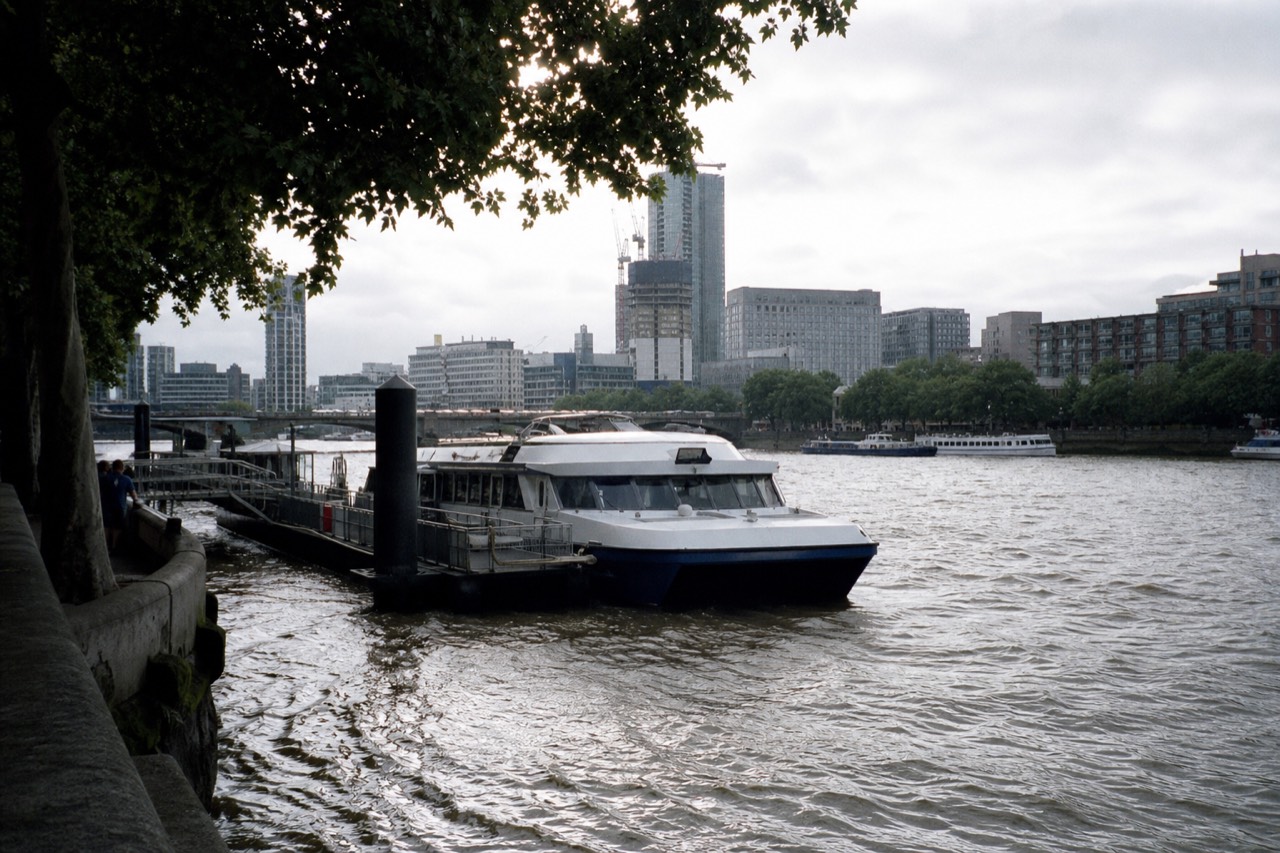
Ask a Londoner how to get to Greenwich by boat and they will say Thames Clipper. Look at the boat and it says Uber Boat. Search either phrase and you land on the same timetable, which is the moment most visitors decide something has gone wrong with their research.
Nothing has. It is one company that has worn five names in twenty-five years, because the side of a fast catamaran turns out to be valuable advertising space. The confusion is real enough that it deserves the full history, along with the more useful question underneath it: which of the white boats on the Thames is which, and which ticket gets you onto the one you actually want.
Is Thames Clipper the same as Uber Boat?
Yes. Uber Boat by Thames Clippers is the current trading name of the company founded in 1999 as Collins River Enterprises and known for most of its life as Thames Clippers. Same boats, same piers, same route numbers, same tickets. Uber is a naming partner, not the operator, and that partnership now runs to 2030.
The full name on the hull is the giveaway: Uber Boat by Thames Clippers. The "by" is doing the work. Uber sells nothing on the river and drives none of the boats; it pays to have its name in front of the operator's, in the same way three other companies did before it. The service is a scheduled river bus network, and Transport for London lists it on its river travel pages alongside the Tube and the buses.
Where this genuinely matters is booking. Search "Uber Boat" and you find fares. Search "Thames Clipper" and you find the same fares. Search either alongside "cruise" and you start finding an entirely different set of products, run by different companies, sold as tours rather than journeys. That third category is where most of the money and most of the misunderstanding lives, and it is worth separating before you buy anything.
When did Thames Clippers become Uber Boat, and why?
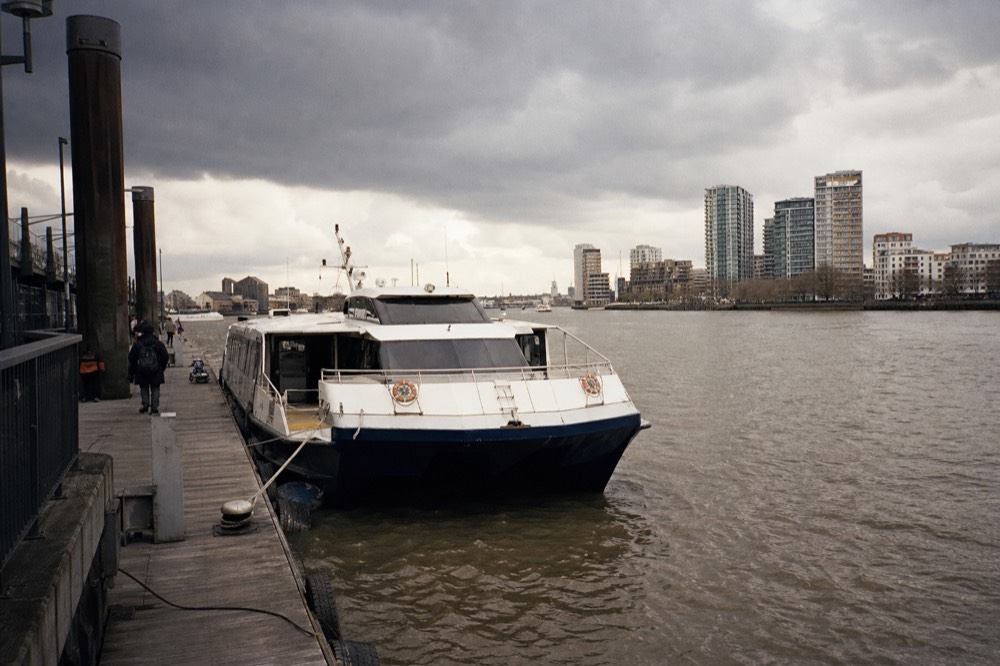
In July 2020, when the company announced a partnership with Uber and rebranded the service as Uber Boat by Thames Clippers. It was the fourth naming sponsorship in the company's history, following NatWest in 2008, KPMG in 2011 and MBNA in 2014. The deal was renewed in July 2025 and now runs through to 2030.
The story starts with two people and three small boats. Sean Collins co-founded the business in 1999 with Alan Woods as Collins River Enterprises, running former Hydrocat ferries that carried 62 passengers each. The trading name Thames Clippers is the one that stuck with Londoners, and it has survived every sponsor since, which is why the current name keeps it on the end.
| When | What the boats said | What happened |
|---|---|---|
| 1999 | Collins River Enterprises | Sean Collins and Alan Woods start the service with three small catamarans |
| 2000s | Thames Clippers | The trading name that stuck, and the one Londoners still use today |
| September 2006 | Thames Clippers | Anschutz Entertainment Group takes the company over |
| 2008 | NatWest Thames Clippers | A bank sponsorship puts a new livery on the fleet |
| 2011 | KPMG Thames Clippers | A three-year sponsorship deal |
| August 2014 | MBNA Thames Clippers | MBNA signs a three-year deal, the name many older listings still carry |
| July 2020 | Uber Boat by Thames Clippers | The Uber partnership is announced and the service is renamed |
| April 2022 | Uber Boat by Thames Clippers | Northleaf Capital Partners acquires a majority interest in the business |
| July 2025 | Uber Boat by Thames Clippers | The Uber partnership is renewed through to 2030 |
Two consequences follow from that list, and both affect travellers rather than trivia collectors. The first is that any guidebook, blog post or ticket resale page written before mid-2020 will use a different name for the same service, and some third-party listings still say MBNA. The second is that the name is now fixed for the rest of the decade, so "Uber Boat" is safe to use in a search bar for years yet.
The operator's own recorded history also explains why the network feels bigger than a private ferry business should. It has grown from three 62-seat boats to roughly two dozen vessels across four route numbers, and it carried 5.2 million passengers in 2024, up 23 per cent on 2019.
What are the boats actually called?
Every vessel is a Clipper. The fleet runs from three 1992-built Hydrocats carrying 62 passengers each up to the three 38-metre Hunt Class Mk IV hybrids, Earth, Celestial and Mars Clipper, which carry 230 apiece at up to 32 knots. The newest is Orbit Clipper, an electric ferry carrying 150 passengers and 100 bicycles.
The naming convention is weather and astronomy, and once you spot it you cannot unsee it. Storm, Typhoon, Tornado, Monsoon, Hurricane and Cyclone came first. Then the sky took over: Sun, Moon, Star, Sky, Galaxy, Neptune, Mercury, Jupiter, Venus, Meteor, Aurora, and most recently Earth, Celestial, Mars and Orbit.
| Class | Boats | Capacity | Into the fleet |
|---|---|---|---|
| FBM Hydrocat | Sky, Star and Storm Clipper | 62 each | 1999, built 1992 |
| Class V | Twinstar Clipper | 120 | 2004 |
| River Runner 150 Mk II | Sun and Moon Clipper | 138 each | 2005, built 2001 |
| River Runner 200 Mk II | Hurricane Clipper | 220 | 2001 |
| River Runner 200 Mk IIB | Typhoon, Tornado, Monsoon, Cyclone, Meteor and Aurora Clipper | 220 each | 2007 to 2008 |
| Hunt Class Mk I | Galaxy and Neptune Clipper | 150 each | 2015 |
| Hunt Class Mk II | Mercury and Jupiter Clipper | 172 each | 2017 |
| Hunt Class Mk III | Venus Clipper | 220 | 2019 |
| Hunt Class Mk IV hybrid | Earth, Celestial and Mars Clipper | 230 each | 2023 to 2024 |
| Electric passenger ferry | Orbit Clipper | 150, plus room for 100 bicycles | December 2025 |
| Executive launch | Orion and Comet Clipper | Not published | 2016 and 2019 |
The three hybrids are the ones worth recognising if you care about the ride. They run on battery power with zero local emissions through central London and recharge on biofuel outside the zone, and at 38 metres they are the largest and steadiest boats on the timetable. Getting one is luck rather than choice, since the roster is not published in advance.
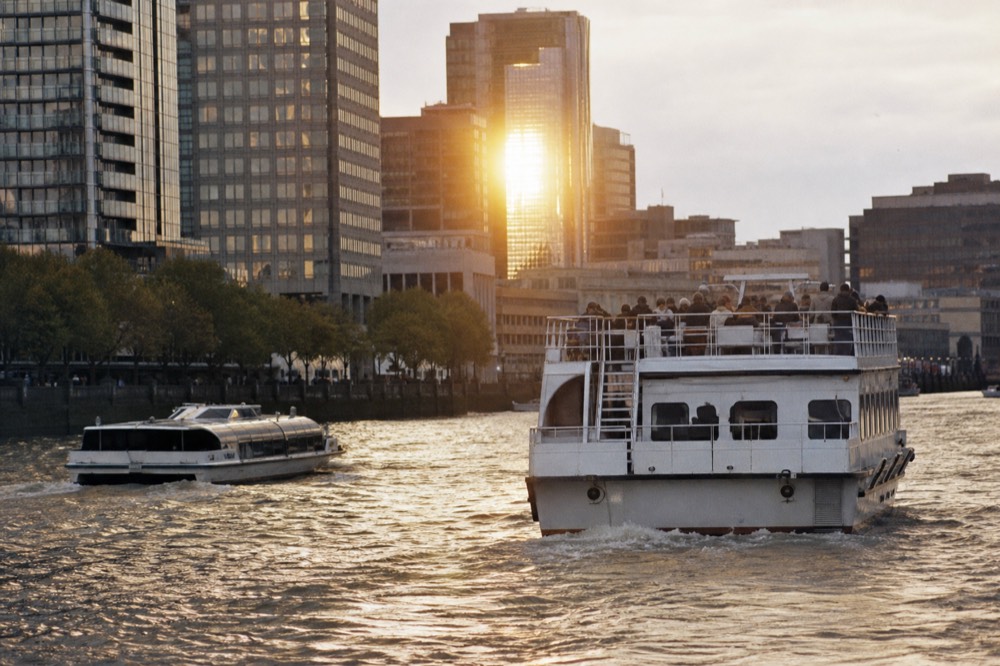
None of this fleet is a tour boat. The cruise operators run their own, and they look completely different: multi-deck river cruisers with open top decks and glass-sided saloons, carrying up to 250 passengers on most boats by City Cruises' own figure. If you have booked a cruise and a low fast catamaran pulls in, you are at the wrong pier or the wrong gangway. The pier-by-pier map of which boat leaves from where is in where a Thames cruise starts and ends.
What are the different boats on the Thames called?
Five kinds of passenger boat work central London: river buses (Uber Boat by Thames Clippers), sightseeing cruisers (City Cruises, Thames River Sightseeing), dining cruisers, twelve-seat RIBs and speedboats, and private charter launches. Add the working traffic, tugs and barges, and the RNLI lifeboats, and that is everything you will see from a pier.
Telling them apart is easy once you know what to look at. Route numbers mean transport. Open top decks mean sightseeing. Twelve seats and an inflatable collar mean you are about to go fast.
| What you are looking at | What it is called | Who runs it | How you get aboard |
|---|---|---|---|
| Low twin-hulled catamaran with a route number | River bus | Uber Boat by Thames Clippers | Single fare from £11.70, River Roamer day ticket, or contactless |
| Multi-deck boat with an open top deck and a guide on the microphone | Sightseeing cruiser | City Cruises, Thames River Sightseeing | Single ticket from £14, or the £24.95 24-hour pass |
| Long glass-sided boat with tables laid | Dining cruiser | City Cruises | A meal sailing, from £36 for lunch |
| Twelve-seat inflatable-sided boat at speed | RIB or speedboat | Thames Rockets, Thames RIB Experience | A booked seat, from £37.74 |
| Small ferry crossing side to side near Canary Wharf | Cross-river ferry | Uber Boat by Thames Clippers, route RB4 | A £4.10 hop |
| Private launch with a small group aboard | Charter or executive launch | Several operators | Booked per boat, not per person |
| Flat-decked barge under tow, or a tug pushing containers | Working river traffic | Freight operators | Not a passenger boat |
| Orange and blue lifeboat moving fast | RNLI lifeboat | The RNLI, whose Tower station has been on the river since 2002 | Not a passenger boat |
The category people mix up most often is the third and the fourth. A dining cruiser and a sightseeing cruiser can be the same hull on a different sailing, which is why the same operator name turns up on a £17.20 hour and an £87 evening. What changes is the sitting, not the boat. The fast boats are the one category nobody confuses once they have seen one, and the speedboat and RIB guide covers what those runs involve.
Everything with passengers aboard sits under the same regulatory frame. Commercial vessels on the tidal Thames must be licensed by the PLA or certificated by another recognised authority such as the Maritime and Coastguard Agency, and the Port of London Authority inspects and licenses nearly 800 commercial vessels a year. That applies to a 230-seat catamaran and a twelve-seat RIB alike.
Can you actually ride the electric boat?
Yes, on one route. Orbit Clipper, the UK's first fully electric zero-emissions ferry, made its first passenger trip on 5 December 2025 and works the cross-river shuttle between Canary Wharf and Rotherhithe. It carries 150 passengers and up to 100 bicycles, and the crossing is a £4.10 hop rather than a cruise.
It is a genuinely different boat from the rest of the fleet: a purpose-built 25-metre passenger ferry designed to load and unload quickly rather than to run fast down the river. The shuttle it works is timetabled every 20 minutes and every 10 at peak, and the plan once it is fully operational in spring 2026 is every 10 minutes on weekdays and every 15 at weekends.
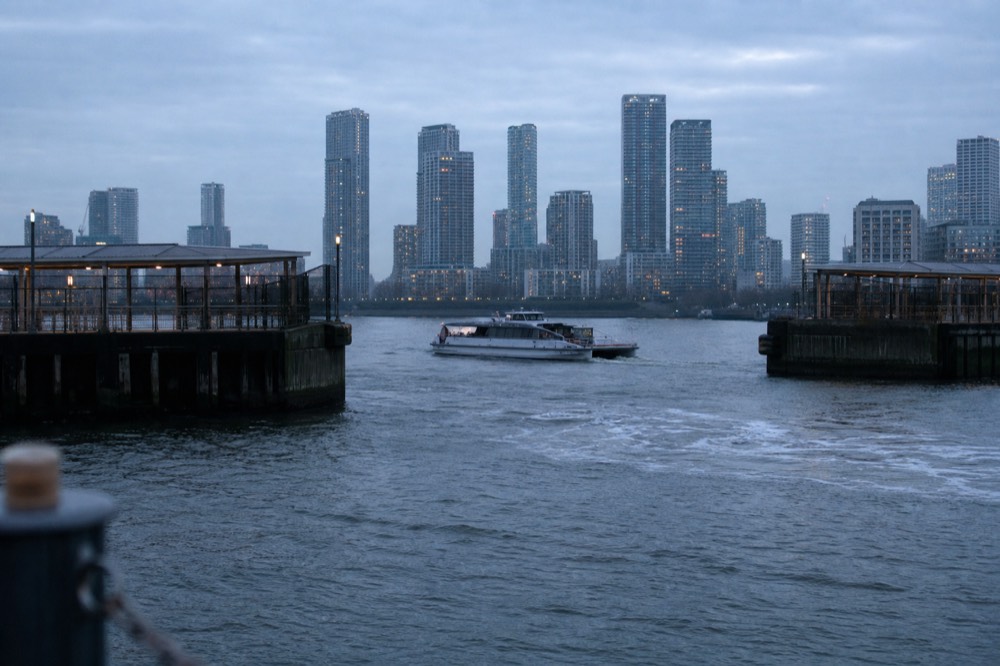
It also sits inside a bigger programme. The operator is targeting a 50 per cent cut in carbon emissions by 2035 and net zero by 2050, with the three hybrids and the electric ferry as the visible steps, and construction began on a bespoke dry dock at the Port of Tilbury in March 2026 to service a fleet of around 24 vessels. That is a lot of infrastructure for a company that started with three secondhand Hydrocats.
For a visitor, though, the honest note is that the electric boat is a four-minute utility crossing in the Docklands, not an attraction. Ride it if you are there. Do not plan a day around it.
How is the river bus different from a Thames cruise?
The river bus is transport: route numbers, contactless fares, no commentary and almost no open deck. A cruise is a tour sold by the hour, with a guide, a top deck and a fixed narrative. They share four piers and cost within a few pounds of each other for a day, so the choice is about what you want from the time, not the money.
The clean test is whether you would still make the journey if the view were terrible. If yes, you want the bus. If no, you want the cruise.
| Question | River bus | Cruise boat |
|---|---|---|
| Does it have a route number? | Yes: RB1, RB2, RB4 and RB6 | No, it has a departure time |
| Is there a guide? | No | Yes, live or app-based multilingual |
| Contactless at the gate? | Yes, with peak and off-peak fares | No, you hold a booked ticket |
| Open top deck? | A small stern area at best | Yes on the sightseeing boats |
| Cheapest adult fare | £11.70 central-zone single, online | £14 for the hour-long circular from Westminster |
| Day ticket | River Roamer, £29.30 online | 24-hour hop-on hop-off pass, £24.95 |
| Bicycles | Carried, and the newest boat takes 100 | Not what the boat is for |
| Sailing window | Scheduled across the day | The pass sails daily 10:00 to 18:00 |
| Children aged 5 to 15 | Half the adult fare | Child fare, bands vary by sitting |
There is one more distinction worth holding onto: the river bus goes further in both directions. Route RB1 runs from Westminster all the way to Barking Riverside across nineteen piers, and RB6 works upstream from Putney. No sightseeing cruise covers that ground, because the landmarks run out well before the piers do.
The reverse is true in the middle. Between Westminster and Tower Bridge the cruise boats slow down, the guide starts talking, and you get the two miles of river that London built its best buildings along. That stretch is the entire reason the tour products exist, and the ranked version of them all sits on Thames River Cruises. The full head-to-head, with the worked cost examples, is in the Uber Boat versus a cruise comparison.
Which ticket do you need for which boat?
River bus tickets are singles, returns, contactless taps or the River Roamer day pass at £29.30 online. Cruise tickets are separate products from separate companies: a £14 to £17.20 single sightseeing sailing, a £24.95 24-hour pass, a meal sailing from £36, or a speedboat seat from £37.74. Neither ticket works on the other's boats.
That last sentence catches more visitors than anything else on this page. A River Roamer will not get you onto a City Cruises sightseeing boat, and a 24-hour cruise pass will not get you onto an RB1 service. They look similar at the pier and they are not interchangeable.
| What you want to do | The ticket | From |
|---|---|---|
| Cross the river at Canary Wharf | Cross-river single on route RB4 | £4.10 |
| Get from the South Bank to Greenwich quickly | Central-zone river bus single | £11.70 online |
| Ride the river all day with no commentary | River Roamer day ticket | £29.30 online, £32.60 at the pier |
| One guided hour, ending back where you started | Tower Bridge circular from Westminster | £14 |
| One guided hour, ending in Greenwich | Westminster to Greenwich sightseeing | £17.20 |
| Hop between four piers all day with a guide | 24-hour hop-on hop-off pass | £24.95 |
| Sit down to a meal on the water | Lunch or afternoon tea sailing | £36 to £40 |
| Go fast in a twelve-seat boat | RIB or speedboat seat | £37.74 |
Buying online beats buying at the pier on both sides of the river. The river bus day ticket is £3.30 cheaper bought online or in the app, with a further 15 per cent off select tickets booked at least three days ahead, and the same pattern holds across the cruise listings set out in the Thames cruise price guide. Cruise listings carry live availability and most allow free cancellation up to 24 hours before, though the terms sit on the individual listing. If a guided day is what you are after, check what the 24-hour pass costs on your date rather than assuming the headline price.
The refund rules differ in ways worth knowing before you pay. Tickets bought on the operator's own website need 72 hours' notice for a refund, and tickets bought through its apps carry a 90-day validity and are not refunded at all. That is a stricter regime than most cruise listings, which is one reason a lot of visitors end up booking the tour products even for journeys.
For a first visit, the sensible split is one of each. Take the guided hour downstream so somebody explains the buildings, then use the commuter boat for the getting-about part of the trip at commuter prices. The route that does the explaining best is the Westminster to Greenwich run, the most-booked sailing on the river at 25,220 reviews and 4.5 stars, and you can see live departures for your date before committing to a morning. The full four-pier day ticket guide covers the alternative, and is a cruise on the Thames worth it works through whether any of it earns the money.
Common questions
Is Uber Boat run by Uber?
No. Uber is a naming partner. The service is operated by Thames Clippers, the company founded in 1999 and known under that name for two decades, and the full title on the boats is Uber Boat by Thames Clippers. Uber does not crew, own or schedule the boats; the partnership was announced in July 2020 and renewed in 2025 to run through 2030.Can you book Uber Boat through the Uber app?
Tickets are sold through the operator's own website and apps as well as the Uber app, and contactless payment works at the pier gates with peak and off-peak fares. Tickets bought through apps carry a 90-day validity and are not refundable, while website tickets need 72 hours' notice for a refund, so choose the channel with the rules you can live with.Are Thames Clippers the same as a Thames cruise?
No. Thames Clippers, trading as Uber Boat by Thames Clippers, runs a scheduled river bus network with no commentary. Thames cruises are guided tour products run by different companies, mainly City Cruises and Thames River Sightseeing, sold by the hour with a guide aboard and an open top deck. The two share four piers but nothing else.What are the boats on the Thames called?
The river bus vessels are all Clippers, named after weather and astronomy: Storm, Typhoon, Hurricane, Sun, Moon, Galaxy, Venus, Earth, Celestial, Mars and Orbit among others. Sightseeing and dining boats are river cruisers run by separate operators. The fast twelve-seat boats are RIBs or speedboats, and the working traffic is tugs, barges and lighters.Which is cheaper, Uber Boat or a Thames cruise?
For a single journey, the river bus: £11.70 for a central-zone adult single bought online against £17.20 for the hour-long Westminster to Greenwich sightseeing cruise. For a full day of hopping, the cruise pass at £24.95 undercuts the £29.30 River Roamer and includes commentary.So: one company, several names, and a fleet that has grown from three secondhand ferries to two dozen boats including an electric one. What matters at the pier is simpler than the branding suggests. Route number means transport. Top deck and a guide means the river is the point.
Choose Your Thames Cruise
Start Here: An Option For This Trip
Have a travel date in mind? Choose your date to your hour on the landmark run before arranging the rest of your day.
1 hour one-way from Westminster Pier to Greenwich past St Paul's, the Tower and Tower Bridge, live English commentary, from £17.20, rated 4.5 across 25,220 GetYourGuide reviews, free cancellation on most dates.
Check Dates For Westminster to Greenwich Sightseeing CruiseNo verified cruise on this site matches those choices. Adjust them, or reset for the editorial recommendation.
Compare Options, Match Your Day And Estimate Costs
- Westminster to Greenwich Sightseeing Cruise: 1 hour one-way from Westminster Pier to Greenwich past St Paul's, the Tower and Tower Bridge, live English commentary, from £17.20, rated 4.5 across 25,220 GetYourGuide reviews, free cancellation on most dates.
- River Thames Express Cruise with Digital Audio Tour: 30-minute express sightseeing ticket on the Uber Boat by Thames Clippers fleet with a digital audio tour, from £16, free cancellation on most dates.
- River Thames Hop-On Hop-Off Cruise, 24-Hour Pass: 24-hour pass between Westminster, London Eye, Tower and Greenwich piers, hop as often as you like, live commentary, from £24.95, rated 4.4 across 3,283 GetYourGuide reviews, free cancellation on most dates.
- Tower Bridge Circular Cruise from Westminster: 1-hour circular from Westminster Pier to St Katharine's and back, turning under Tower Bridge, from £14, rated 4.2 across 523 Viator reviews, free cancellation on most dates.
- London Eye River Cruise: 40-minute circular from London Eye Pier, Big Ben and the South Bank waterfront, live guide, from £15.50, rated 4.8 across 1,912 Viator reviews, free cancellation on most dates.
Compare Your Whole-Party Costs
Enter what you would pay in the same currency for the cruise and for your alternative, including transport and meals for each.